





Introduction to Qoghundos and Their Ingredients
Qoghundos are a traditional dish, with roots primarily in the cultural cuisines of Central Asia. They are known for their unique flavor profile and nutritional value, making them a significant topic of discussion among culinary enthusiasts and nutritionists alike. As with any dish, the quality and type of ingredients used in Qoghundos have a profound impact on the overall taste and health benefits they offer.
The primary ingredients in Qoghundos typically include rice or flour, meat (usually lamb or chicken), and a variety of spices and herbs. Each ingredient serves a distinct purpose—while rice or flour provides a hearty base, the meat adds protein and richness. Furthermore, the spices and herbs enhance the flavors, contributing to the complexity that characterizes a well-prepared Qoghundos.
The selection of ingredients is crucial not only for flavor but also for nutritional quality. Ingredients that are fresh and of high quality tend to produce a more satisfying dish, making it essential to consider whether the ingredients in Qoghundos are good. In traditional recipes, herbs like parsley and dill are frequently used, which not only contribute to flavor but also provide vitamins and minerals beneficial for health.
As we delve deeper into the topic, it is vital to evaluate both the common ingredients and their sources. Cheap or low-quality ingredients may compromise the dish’s integrity, impacting both taste and nutritional value. Understanding the elements that make up Qoghundos allows for a more informed discussion about their health implications, paving the way for an exploration into whether the ingredients in Qoghundos are good. This inquiry will set the foundation for assessing not just the culinary aspects, but also the broader nutritional factors that warrant attention.
Health Benefits of Qoghundos Ingredients
Qoghundos is known for its diverse array of ingredients, each contributing unique health benefits that are supported by scientific research. Assessing whether the ingredients in Qoghundos are good involves examining the nutritional profiles of these components and their potential effects on health and wellness.
One prominent ingredient in Qoghundos is turmeric, renowned for its active compound, curcumin, which studies suggest possesses anti-inflammatory and antioxidant properties. These attributes have been linked to a reduced risk of chronic diseases, such as heart disease and cancer. Additionally, curcumin is believed to enhance cognitive function, making turmeric a valuable inclusion in Qoghundos.
Another key element is ginger, which has garnered attention for its potential to alleviate digestive issues and reduce nausea. Research indicates that ginger may also possess anti-inflammatory effects, further enhancing its reputation as a beneficial ingredient. The presence of ginger in Qoghundos may therefore contribute positively to digestive health and overall well-being.
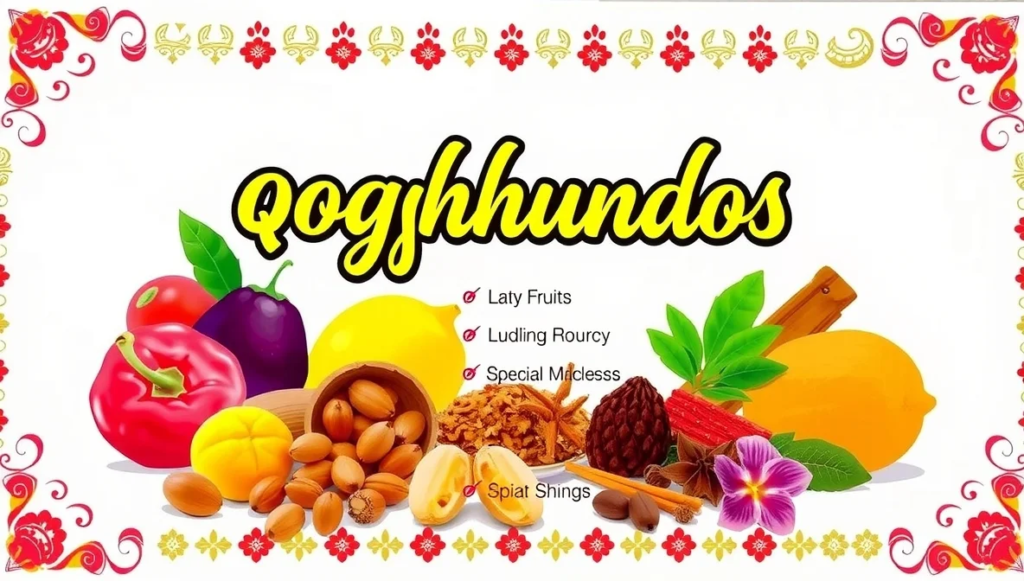
Furthermore, Qoghundos often incorporates various berries, which are rich in antioxidants, vitamins, and minerals. Berries are known to promote heart health and improve skin conditions through their high levels of vitamins C and E. These benefits are significant, as they suggest that the ingredients in Qoghundos can enhance both cardiovascular health and skin vitality.
Moreover, the inclusion of nuts and seeds in Qoghundos provides healthy fats, protein, and fiber, contributing to satiety and heart health. The combination of these ingredients highlights the holistic approach toward health that Qoghundos embodies.
In conclusion, the ingredients in Qoghundos are not only good but are also backed by scientific research exhibiting their diverse health benefits. The integration of these components into one’s diet may play a significant role in promoting health and wellness.
Potential Concerns Regarding Qoghundos Ingredients
When evaluating whether the ingredients in Qoghundos are good, it is essential to consider potential concerns that may arise regarding their safety and health implications. One of the primary issues relates to allergens. Qoghundos may contain ingredients that are common allergens, such as gluten, nuts, or dairy. Individuals with sensitivities or allergies to these components must exercise caution. The presence of allergens can pose significant health risks, leading to severe reactions in susceptible individuals.
Another area of concern involves artificial additives. Many products in the food industry include preservatives, flavor enhancers, or colorings that may not align with the preferences of health-conscious consumers. While these ingredients can enhance taste and shelf life, there is an ongoing debate about their long-term health effects. Some studies suggest that certain artificial additives may contribute to hyperactivity in children or other adverse health outcomes. Therefore, examining the specific types of artificial substances present in Qoghundos is crucial to determine their potential impact.
Moreover, specific populations may need to reconsider their consumption of Qoghundos due to the ingredients. For instance, individuals with autoimmune disorders or those following strict dietary regimes may find some components less suitable. Ingredients that can trigger inflammation or have high glycemic indexes could be problematic for such individuals. Therefore, it is paramount to analyze the ingredients in Qoghundos thoroughly to assess their appropriateness for various dietary needs.
In conclusion, while Qoghundos may have appealing qualities, potential concerns surrounding allergens, artificial additives, and the suitability of certain ingredients for specific populations necessitate a careful evaluation of their overall quality and safety.
Conclusion: Is Ingredients in Qoghundos Good or Not?
The evaluation of the ingredients in Qoghundos presents a nuanced picture, drawing attention to both their beneficial aspects and potential concerns. Many of the components found in Qoghundos—such as whole grains, lean proteins, and an array of vitamins—are widely recognized for contributing positively to a balanced diet. These ingredients can support various health goals, including weight management and improved energy levels, thus leading to the conclusion that they can be viewed as good choices.
Nevertheless, it is crucial to consider individual dietary preferences and restrictions. For instance, certain ingredients may not be suitable for everyone, particularly those with food allergies or specific dietary requirements such as gluten-free or vegan diets. Additionally, the processing methods employed can significantly impact the nutritional quality of the ingredients. Therefore, it is essential to evaluate how these ingredients align with one’s personal health objectives and lifestyle needs.
When assessing whether the ingredients in Qoghundos are good or not, consumers should take into account not only the inherent benefits but also how these align with their personal choices. Engaging in this reflective process can lead to more informed decisions, ensuring that the food consumed adequately meets individual health and dietary aspirations. Ultimately, while the ingredients in Qoghundos have many positive attributes, the determination of their suitability rests significantly on personal context and health aspirations.